
Contents
- 🎵 Origins & History
- ⚙️ How It Works
- 📊 Key Facts & Numbers
- 👥 Key People & Organizations
- 🌍 Cultural Impact & Influence
- ⚡ Current State & Latest Developments
- 🤔 Controversies & Debates
- 🔮 Future Outlook & Predictions
- 💡 Practical Applications
- 📚 Related Topics & Deeper Reading
- Frequently Asked Questions
- Related Topics
Overview
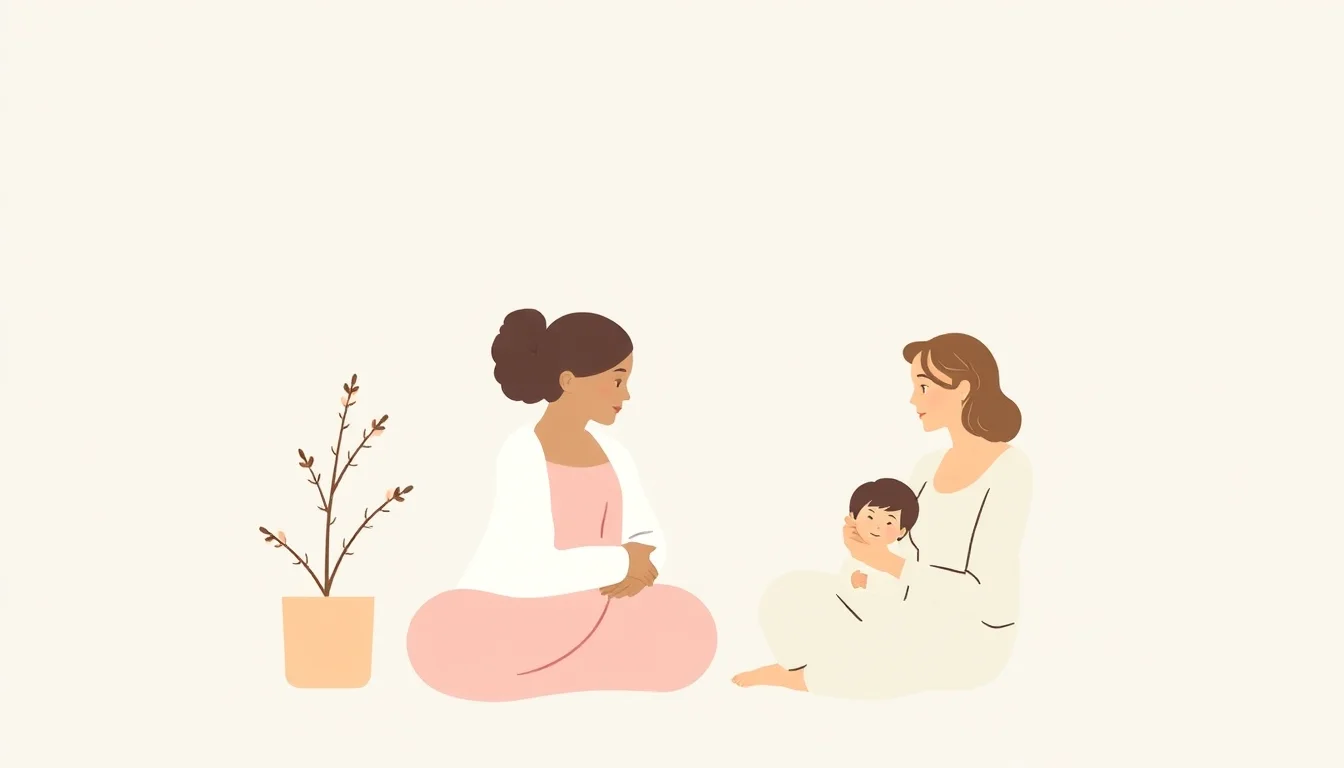
Postpartum support groups have their roots in the growing recognition of maternal mental health issues, particularly postpartum depression (PPD). Organizations like the Postpartum Support International provide resources and support. These groups emerged from the understanding that many women face emotional challenges after childbirth, often exacerbated by societal pressures and isolation. By the 2000s, the integration of mental health into maternal care became more pronounced, leading to the establishment of various local and online support networks across the globe, such as the Mother Support Network.
⚙️ How It Works
Postpartum support groups typically operate through regular meetings, either in-person or virtually, where mothers can share their experiences and feelings in a non-judgmental environment. These groups are often facilitated by trained professionals, such as therapists or social workers, who guide discussions and provide resources on coping strategies for PPD and anxiety. Many groups also incorporate educational components, covering topics like infant care, self-care practices, and mindfulness techniques. The structure allows for both sharing and learning, fostering a sense of community among participants. For example, the Mama Tribe offers a blend of peer support and expert-led workshops to address various postpartum challenges.
📊 Key Facts & Numbers
Research indicates that postpartum support groups can significantly reduce symptoms of depression and anxiety. The demand for these groups has surged, particularly during the COVID-19 pandemic, which highlighted the importance of community and connection for new mothers.
👥 Key People & Organizations
Key organizations involved in postpartum support include Postpartum Support International, which provides a wealth of resources and training for facilitators, and the Mother Support Network, which connects mothers with local support groups. Notable figures in this field include Dr. Judith Orenstein, a psychologist known for her work on maternal mental health, and Dr. Lynn Lyons, who emphasizes the importance of addressing anxiety in mothers. These individuals and organizations play crucial roles in advocating for maternal mental health and providing essential support to new mothers.
🌍 Cultural Impact & Influence
The cultural impact of postpartum support groups is significant, as they challenge the stigma surrounding maternal mental health. By normalizing discussions about PPD and anxiety, these groups help shift societal perceptions of motherhood, emphasizing that seeking help is a strength rather than a weakness. Media portrayals, such as the documentary When the Bough Breaks, have further raised awareness about the struggles mothers face, encouraging more women to seek support. Additionally, the rise of social media platforms has facilitated the formation of online support communities, allowing mothers to connect globally and share their experiences, thus broadening the cultural conversation around postpartum health.
⚡ Current State & Latest Developments
Postpartum support groups can be found in hospitals, community centers, and online platforms. The integration of technology has allowed for the growth of virtual support groups, making them accessible to mothers in remote areas or those who may have difficulty attending in-person meetings. Recent initiatives, such as the Maternal Health Initiative, aim to expand access to postpartum support resources, reflecting a growing commitment to maternal mental health.
🤔 Controversies & Debates
Despite their benefits, postpartum support groups are not without controversy. Some critics argue that they may inadvertently reinforce feelings of inadequacy among mothers who struggle to meet societal expectations of motherhood. Others question the effectiveness of peer-led groups compared to professional therapy. However, proponents assert that the shared experiences and understanding found in these groups can be profoundly healing. The debate continues as more research emerges on the best practices for supporting mothers during the postpartum period.
🔮 Future Outlook & Predictions
Looking ahead, the future of postpartum support groups appears promising. With increasing awareness of maternal mental health issues, more funding and resources are likely to be allocated to support these initiatives. Experts predict a rise in hybrid models that combine in-person and virtual support, catering to diverse needs and preferences. Additionally, as more fathers and partners become involved in postpartum care, there may be a shift towards inclusive support groups that address the needs of all caregivers. This evolution could lead to a more comprehensive approach to maternal and family health.
💡 Practical Applications
Postpartum support groups have practical applications in various settings, including hospitals, community centers, and online platforms. New mothers can benefit from attending local meetings or joining virtual groups, such as those offered by The Motherhood Collective, which provide resources and peer support. Healthcare providers can also play a role by incorporating referrals to these groups into their postpartum care protocols. Additionally, organizations can offer training for facilitators to ensure that support groups are effective and inclusive, enhancing the overall experience for participants.
Key Facts
- Year
- 2024
- Origin
- Global
- Category
- culture
- Type
- concept
Frequently Asked Questions
What are postpartum support groups?
Postpartum support groups are networks where mothers can share experiences and receive emotional support after childbirth. These groups often include trained facilitators who guide discussions on topics like postpartum depression (PPD) and anxiety. They provide a safe space for mothers to connect, learn coping strategies, and foster community, which is essential for mental well-being during the postpartum period.
How effective are postpartum support groups?
Research indicates that postpartum support groups can significantly reduce symptoms of depression and anxiety.