
Contents
- 🎵 Origins & History
- ⚙️ How It Works
- 📊 Key Facts & Numbers
- 👥 Key People & Organizations
- 🌍 Cultural Impact & Influence
- ⚡ Current State & Latest Developments
- 🤔 Controversies & Debates
- 🔮 Future Outlook & Predictions
- 💡 Practical Applications
- 📚 Related Topics & Deeper Reading
- Frequently Asked Questions
- References
- Related Topics
Overview
Nutritional guidance for breastfeeding is crucial for both maternal health and infant development. The nutritional guidance for breastfeeding has evolved significantly, especially in the 20th century, as health organizations began to recognize the critical role of maternal nutrition in breastfeeding outcomes. A balanced diet rich in vitamins, minerals, and healthy fats can enhance milk production and quality. As awareness grows, resources and support systems are evolving to ensure mothers receive the nutritional guidance they need.
🎵 Origins & History
The practice of breastfeeding has ancient roots, with evidence found in various cultures worldwide. The nutritional guidance for breastfeeding has evolved significantly, especially in the 20th century, as health organizations began to recognize the critical role of maternal nutrition in breastfeeding outcomes. The WHO provides global recommendations on breastfeeding practices, while the United Nations Children's Fund (UNICEF) supports initiatives to educate mothers on nutrition.
⚙️ How It Works
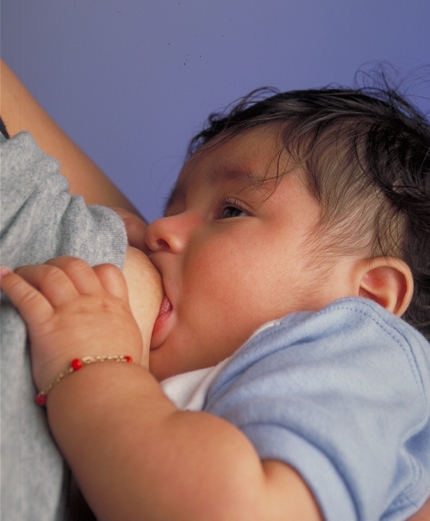
Breastfeeding works by allowing the infant to receive milk directly from the mother or through pumped milk. The composition of breast milk is dynamic, changing in response to the infant's needs and maternal diet. Key nutrients in breast milk include proteins, fats, carbohydrates, vitamins, and minerals. For instance, the presence of essential fatty acids, which are influenced by the mother's intake of fish or flaxseed, is vital for brain development. Additionally, maternal hydration and caloric intake directly affect milk supply and quality, emphasizing the need for mothers to follow specific nutritional guidelines to optimize breastfeeding.
📊 Key Facts & Numbers
Key statistics underscore the significance of nutritional guidance for breastfeeding. Research shows that breastfeeding can reduce infant mortality rates by up to 13% in developing countries. Furthermore, mothers are encouraged to consume an additional 450-500 calories per day to support milk production. These numbers highlight the critical intersection of maternal nutrition and infant health outcomes.
👥 Key People & Organizations
Several organizations play pivotal roles in promoting nutritional guidance for breastfeeding. The WHO provides global recommendations on breastfeeding practices, while the United Nations Children's Fund (UNICEF) supports initiatives to educate mothers on nutrition. Additionally, lactation consultants, such as those certified by the International Board of Lactation Consultant Examiners (IBLCE), offer personalized dietary advice to breastfeeding mothers. These professionals are essential in bridging the gap between maternal nutrition and effective breastfeeding practices.
🌍 Cultural Impact & Influence
Culturally, breastfeeding is celebrated in various societies, often linked to traditional practices and beliefs about maternal health. In many Indigenous cultures, breastfeeding is seen as a sacred bond between mother and child, with specific dietary practices passed down through generations. The rise of social media has also influenced breastfeeding culture, with platforms like Instagram showcasing diverse breastfeeding experiences and nutritional tips. This cultural shift is crucial in normalizing breastfeeding and encouraging mothers to seek nutritional guidance.
⚡ Current State & Latest Developments
The rise of telehealth services has made it easier for mothers to access nutritional guidance from experts, reflecting a growing trend towards digital health solutions. Experts predict that personalized nutrition will become more prevalent, with genetic testing and dietary analysis helping to tailor recommendations for individual mothers.
🤔 Controversies & Debates
Controversies surrounding nutritional guidance for breastfeeding often center on the balance between breastfeeding and formula feeding. Critics argue that societal pressures can lead to feelings of guilt among mothers who cannot breastfeed, while proponents emphasize the importance of informed choices. Additionally, debates persist regarding the adequacy of formula nutrition compared to breast milk, with some studies suggesting that certain formulas can mimic breast milk's nutritional profile. This ongoing discourse highlights the need for clear, evidence-based guidance for mothers.
🔮 Future Outlook & Predictions
Looking ahead, the future of nutritional guidance for breastfeeding is likely to be shaped by advancements in nutritional science and technology. As awareness of the benefits of breastfeeding continues to grow, more resources will be allocated to support maternal nutrition, potentially leading to higher breastfeeding rates and improved infant health outcomes.
💡 Practical Applications
Practical applications of nutritional guidance for breastfeeding include dietary recommendations that emphasize whole foods, such as fruits, vegetables, whole grains, lean proteins, and healthy fats. Mothers are encouraged to stay hydrated and consider supplements like omega-3 fatty acids and vitamin D, which are crucial for both maternal health and milk quality. La Leche League provides resources and encouragement for mothers navigating their breastfeeding journeys, reinforcing the importance of nutrition in this process.
Key Facts
- Year
- 2024
- Origin
- Global
- Category
- science
- Type
- concept
Frequently Asked Questions
What are the nutritional needs of breastfeeding mothers?
Breastfeeding mothers require additional calories, typically around 450-500 more per day, to support milk production. A balanced diet rich in fruits, vegetables, whole grains, lean proteins, and healthy fats is essential. Specific nutrients like omega-3 fatty acids and vitamin D are also crucial for both maternal health and milk quality. Hydration is equally important, as adequate fluid intake directly impacts milk supply.
How does maternal diet affect breast milk?
Maternal diet significantly influences the composition of breast milk. Nutrients consumed by the mother, such as fatty acids from fish or nuts, can alter the milk's fatty acid profile, impacting infant brain development. Additionally, a varied diet can enhance the flavor of breast milk, potentially influencing the infant's acceptance of solid foods later on. Studies show that mothers who consume a diverse diet produce milk that is more nutritionally rich.
What are the benefits of breastfeeding for infants?
Breastfeeding offers numerous benefits for infants, including enhanced immunity, reduced risk of infections, and optimal growth and development. Breast milk contains antibodies and other immunological factors that help protect infants from illnesses. Research indicates that breastfeeding can lower the risk of chronic conditions such as obesity and diabetes later in life, making it a critical component of infant health.
What resources are available for breastfeeding mothers?
Breastfeeding mothers can access various resources, including lactation consultants, support groups like La Leche League, and online platforms that provide nutritional guidance. Many hospitals offer breastfeeding classes and consultations to help new mothers navigate their breastfeeding journey.